Cards for Humanity — Nov 2021
Context and intent
During the minor Serious Gaming at the University of Twente, our team was asked to design, develop, and test a serious game. We wanted to create a game which was actually fun to play, while covering relevant topics.
We took inspiration from Cards Against Humanity, but reframed the core idea toward the United Nations Sustainable Development Goals (SDGs). The aim was not to “teach” the SDGs directly, but to use them as prompts for discussion, creativity, and perspective-taking.
Concept and outcome
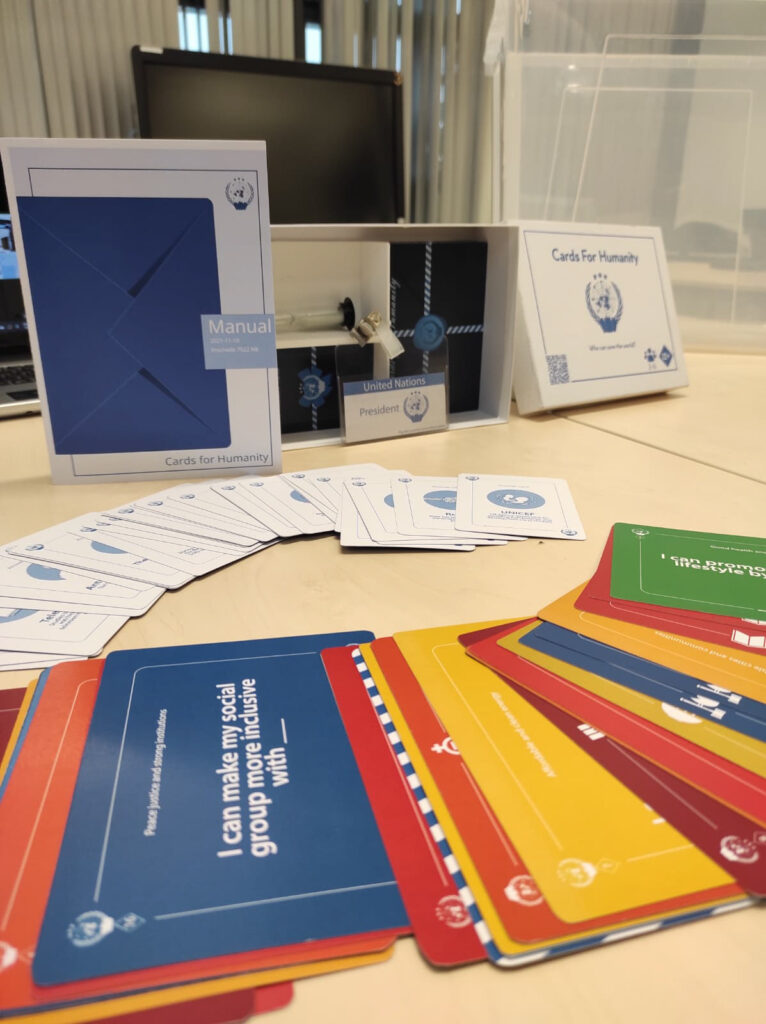
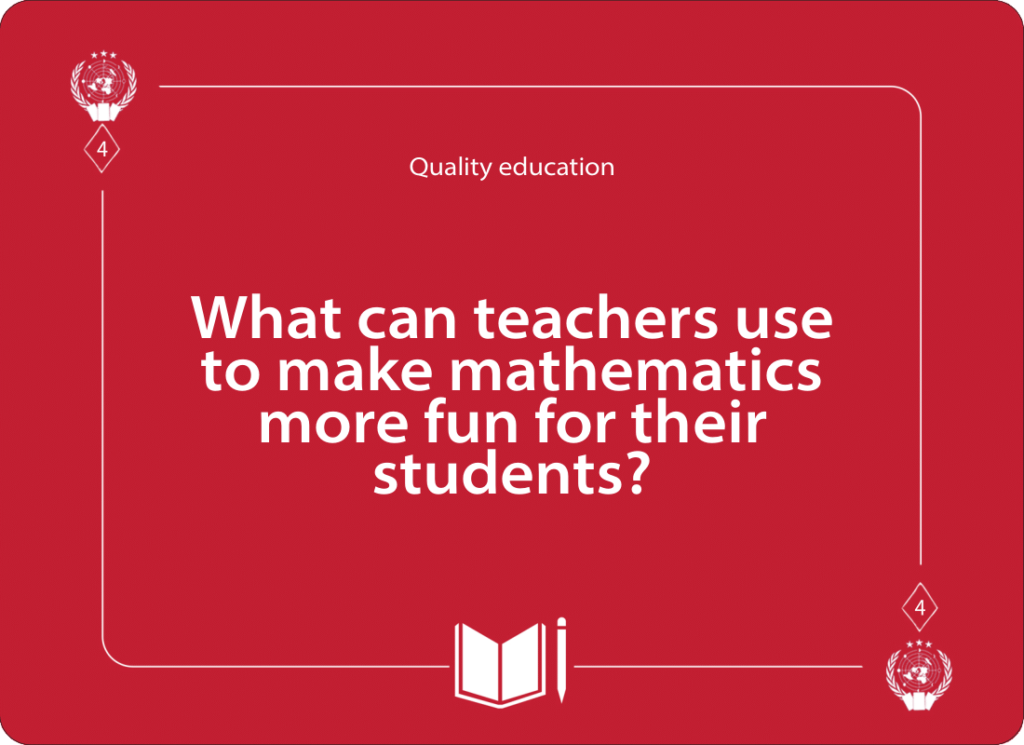
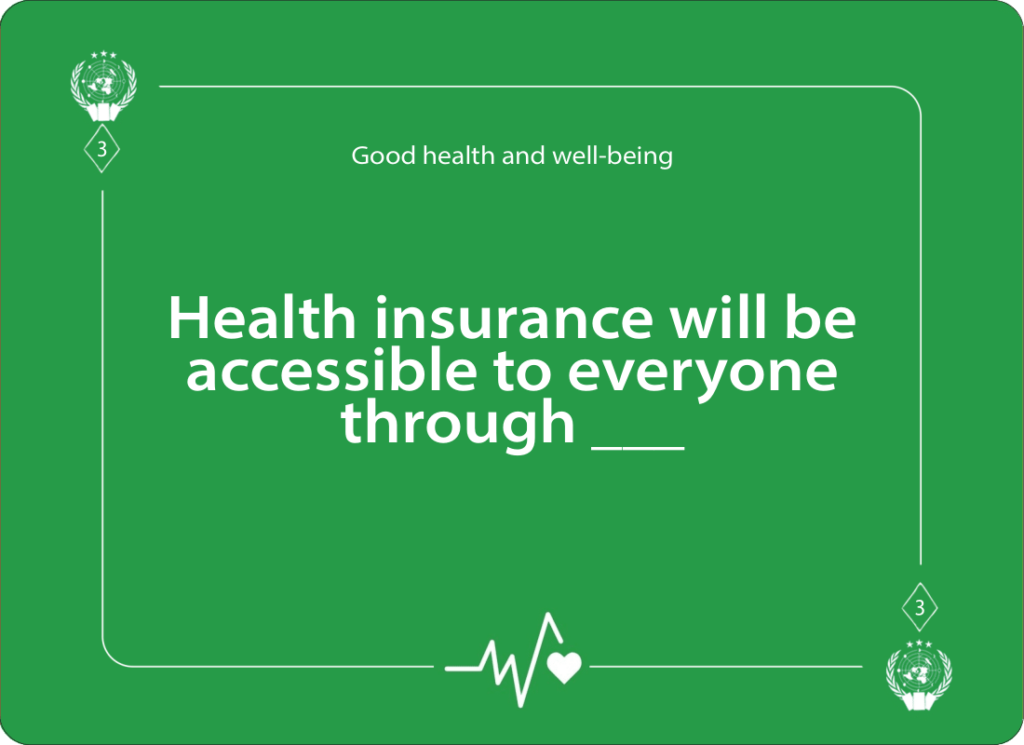
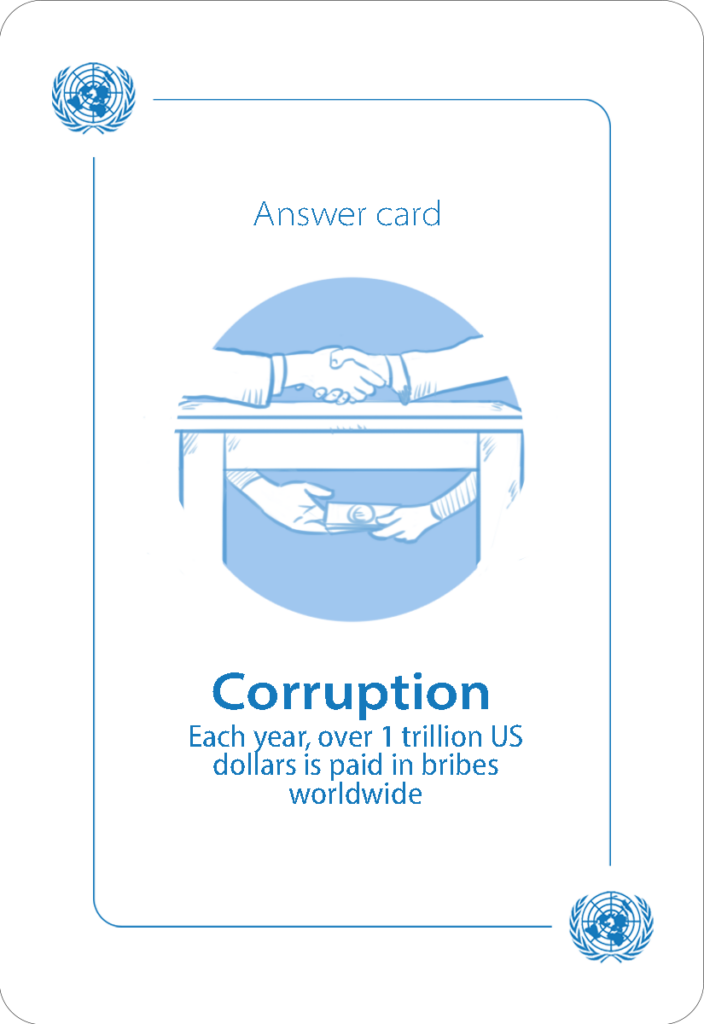
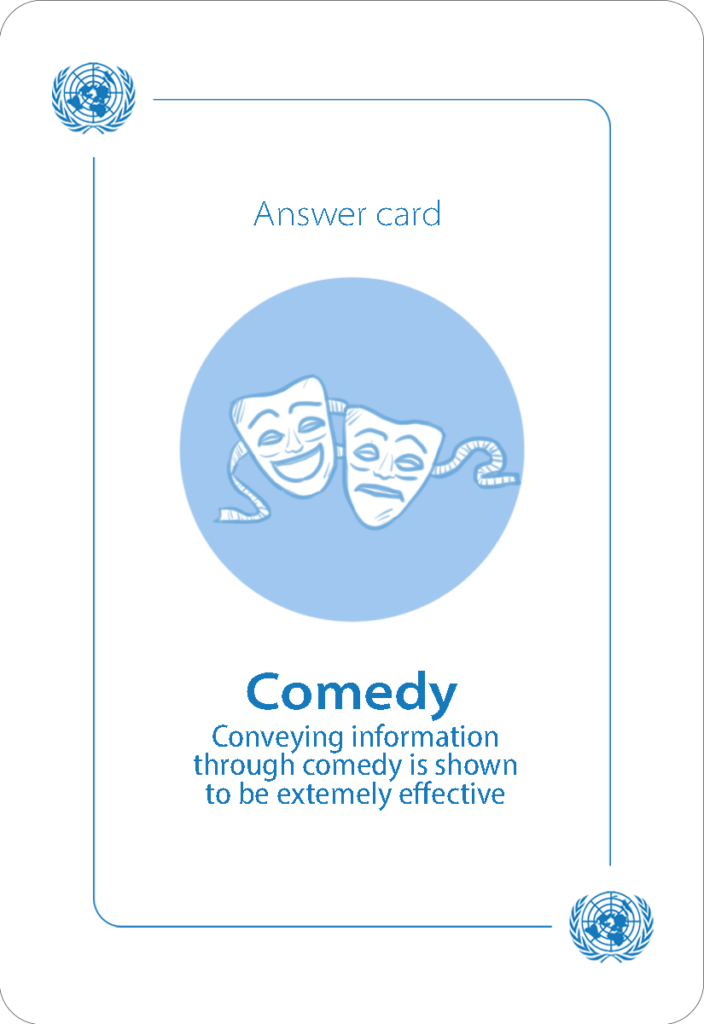
The game is built around two main card types: question cards linked to the 17 SDGs, and answer cards with abstract or unexpected objects. Each round creates a short challenge where players explain why their answer is a good fit for the prompt.
A typical round works like this:
- Each player receives 3 random answer cards.
- A question card is revealed.
- Players have 30 seconds to choose an answer and prepare their argument.
- Everyone votes on the most convincing or interesting solution.
- The player with the most votes wins the round.
To keep the game dynamic, we added action cards (for example trading hands) and designed multiple gameplay variations using the same deck, so the experience stays fresh across sessions.
My role
I worked in a multidisciplinary team of five students. We developed the concept together, but I took the role as visual and content designer for our team.
- Designed and drawn the full set of question cards (SDG prompts and wording)
- Illustrated the answer cards
- Contributed to concept development and gameplay iterations
The workload was heavy, as there were many different cards to design and draw, but it was a very fun process and I was able to use my creativity.
Reflection and learning
This project made me more aware of the balance between “fun” and “meaning”. If the game becomes too serious, people stop taking creative risks. If it becomes too chaotic, the SDG themes get lost. Designing the prompts and visuals was essentially designing that balance.
If I were to improve the game now, I would test more explicitly for discussion quality: which prompts create shallow jokes, and which prompts actually invite different perspectives. I would then iterate the card wording to steer the conversation without making it feel forced.
Project snapshot
Created by Ryan Tsai, Albina Shynkar, Ronja Kreiter, Daan Strijbosch and Roland Wit